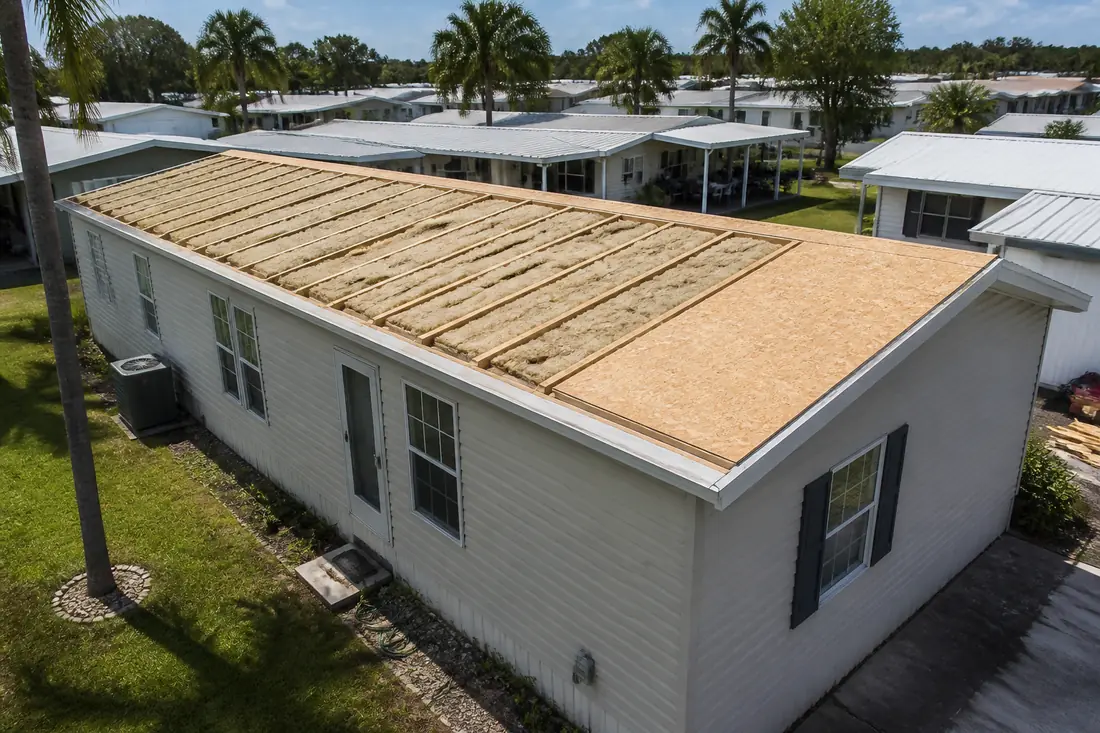
Mobile Home Roof-Over
A complete new roof system built over the existing one, without tearing the old roof off.
Free estimateDetails
Roof-overs, coatings and leak repair for manufactured homes across Polk County and Central Florida.
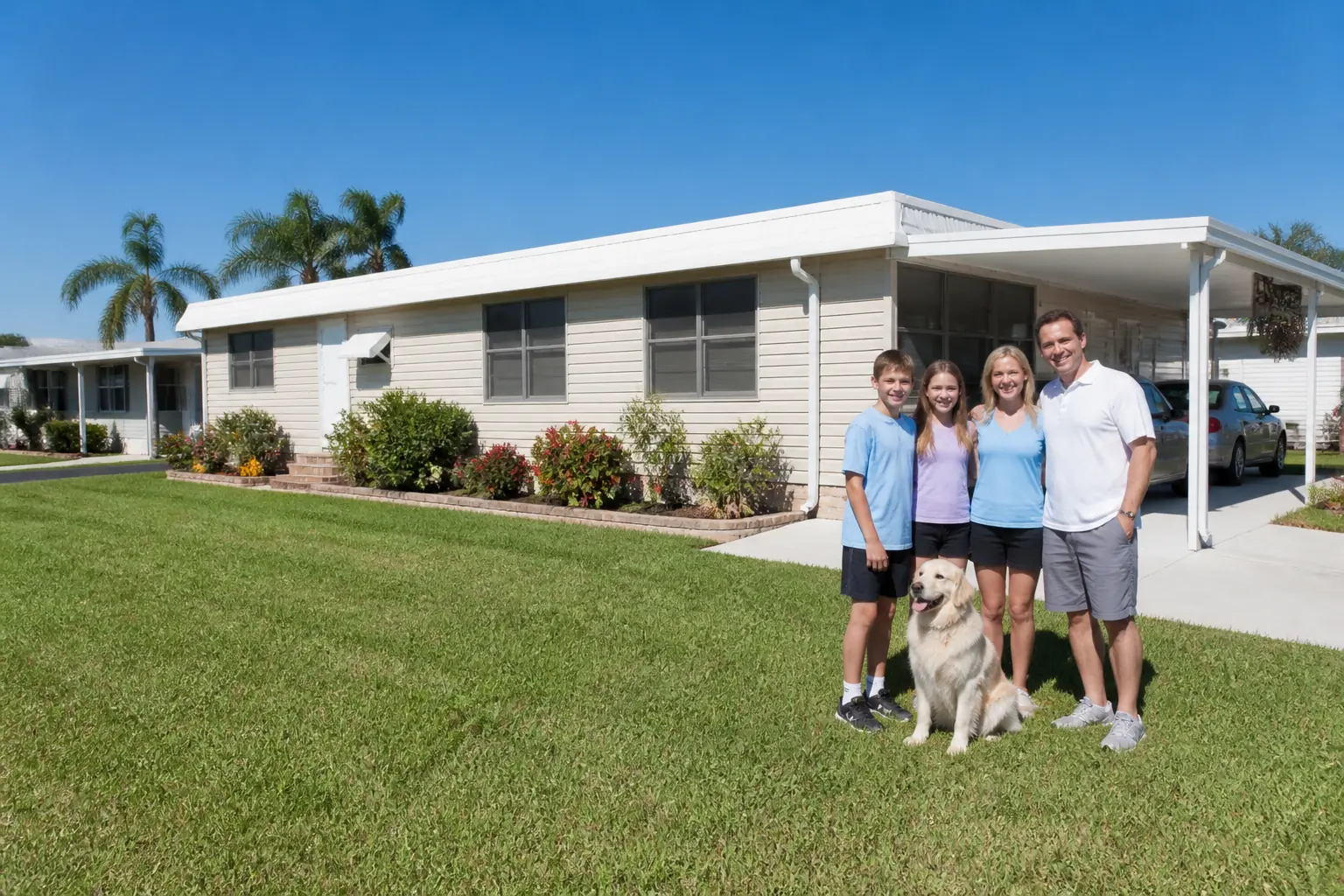
Roof-overs, coatings and leak repair for manufactured homes across Polk County and Central Florida.
Mon–Fri 7:00am – 5:00pm · Sat 8:00am – 1:00pm · Sun Closed
Straight through to a person, not a phone tree.
Tell us what is going on and we will get back to you with the next step.
The weight of the new roof is checked first
Manufactured home trusses are engineered light and to a specific load. A roof-over adds weight to a structure that was not drawn with a second roof in mind, so what the frame can carry is established before a system is chosen.
Repair and roof-over priced as separate answers
A sound roof with three failed seams is a different job from one at the end of its life. Both get assessed, and which one this is gets said plainly rather than defaulting to the larger scope.
Built for standing water, not just rain
Most of these roofs are low-slope or flat, so water sits rather than runs. Where it collects, and why, decides the system — a coating over a ponding area fails in the same spot it was applied to.
Documented for the insurer
Roof age and condition are what carriers non-renew manufactured homes over. Work is recorded so the file can be given to an insurer rather than reconstructed from memory later.
Roof-overs, coatings and leak repair for manufactured homes across Polk County and Central Florida.
A roof-over puts a new roof on top of the one already there. On a manufactured home that is usually the sensible route: the original roof stays as a substrate, the interior is never opened up, and the home stays lived in throughout. It is also, on most homes of this age, cheaper than a tear-off by a wide margin.
What decides whether it can be done is the structure underneath. Manufactured home trusses are engineered to a specific and fairly light load, and a second roof adds weight the original drawings never accounted for. That check comes before the choice of system, not after — and where the frame will not take it, saying so early is the whole value of the assessment.
Most repairs on this housing stock are at the joints rather than in the field: a seam that has opened with movement, a fastener that has backed out, a vent boot that has gone hard, an edge trim that has lifted in wind. Each is small and each lets a great deal of water in over a season.
The work worth paying for is finding where the water actually enters, which is rarely above where it appears inside. Water runs along the underside of a roof and down a truss before it stains a ceiling panel, so a repair aimed at the stain usually misses.
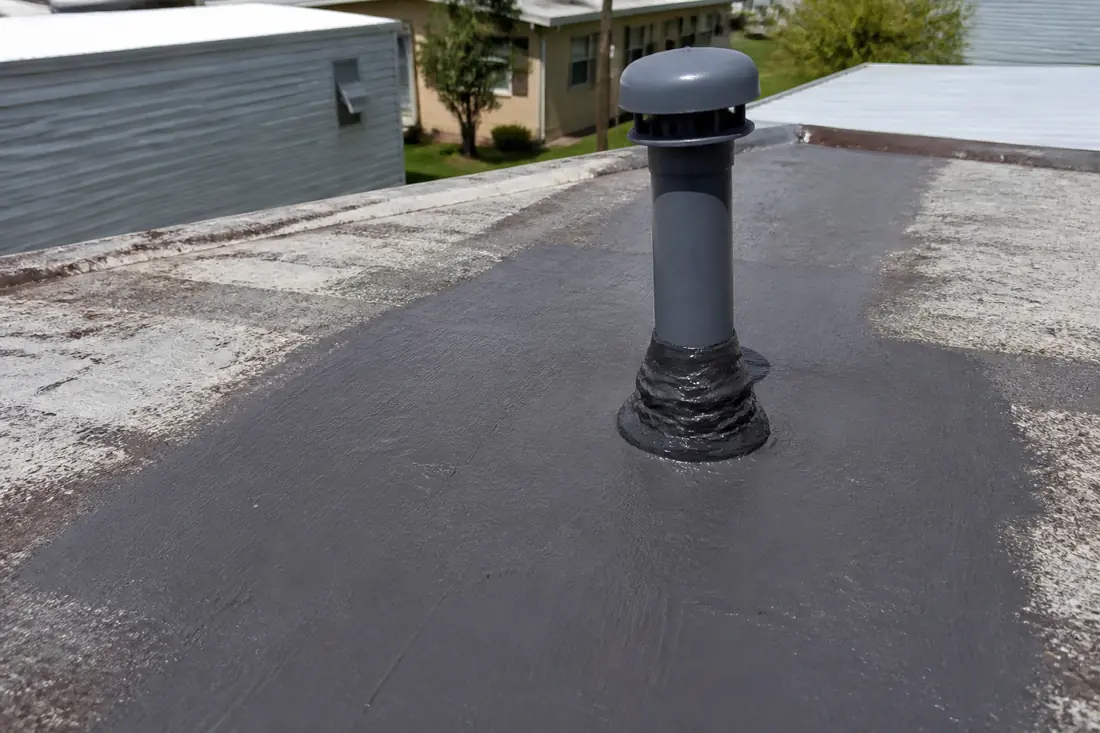
Metal is the common roof-over on manufactured homes here, and the reason is mostly water. Panels are laid over hat channel or purlins that build a slope onto a roof that had almost none, so water runs off rather than standing. That single change addresses the failure mode behind most of the leaks on this housing stock.
It also reflects heat, which in Central Florida is not a marginal benefit. The trade-offs are weight, which the frame has to carry, and detailing — a metal roof is only as good as its edges, its fasteners and the flashing where anything comes through it.
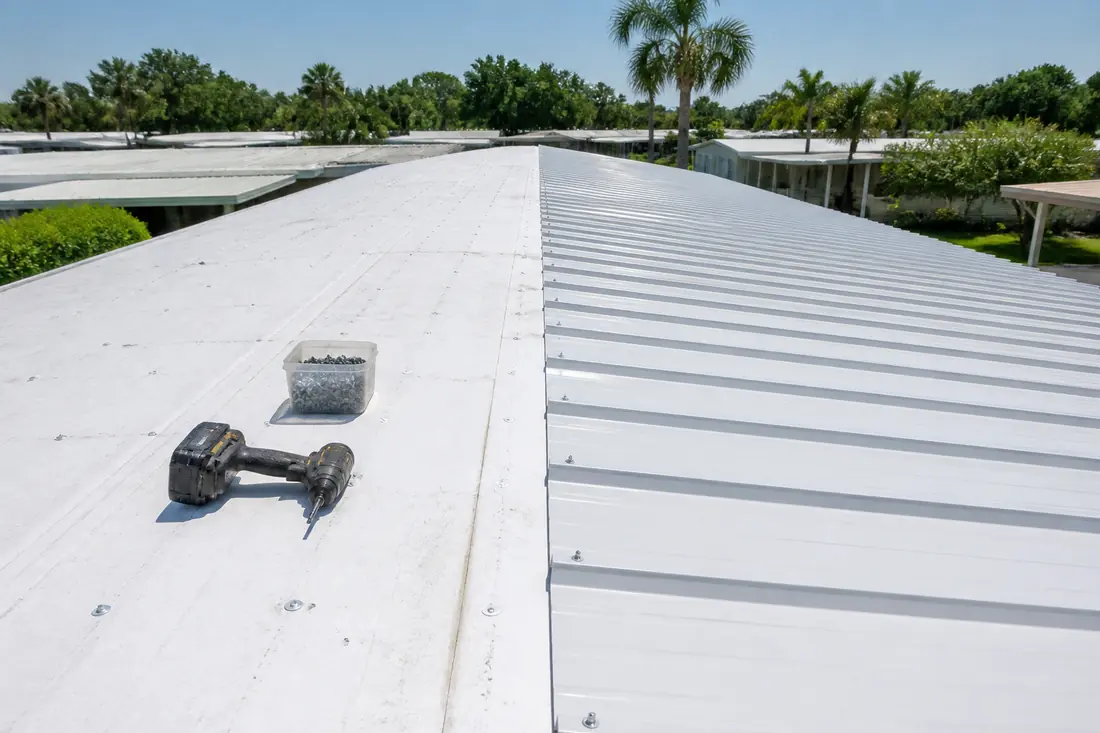
A coating is a liquid membrane rolled or sprayed over an existing roof. On a sound roof that is weathering it buys real time, seals hairline splits and reflects a great deal of heat. It is the least expensive intervention available on this housing stock and, applied to the right roof, it is good value.
It is also the most oversold. A coating follows the roof it is applied to: it does not add strength, it does not correct slope, and over standing water or a moving seam it fails in the same place the roof was already failing. Where a roof needs a roof-over, a coating is money spent twice.
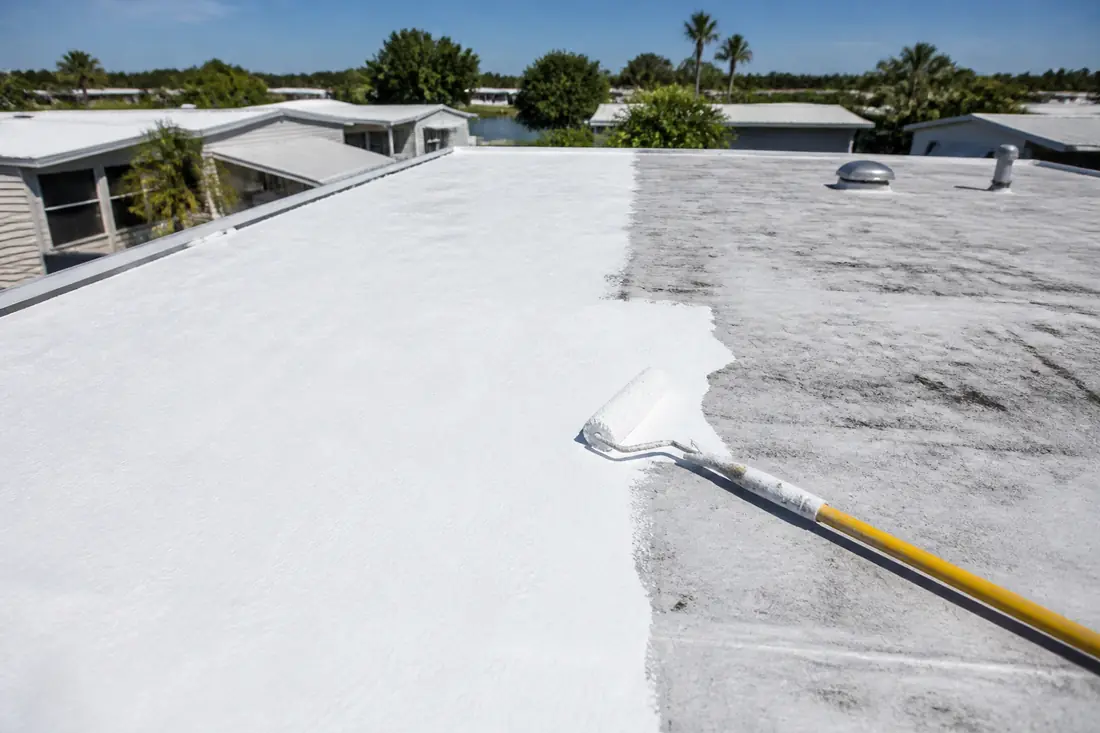
A complete new roof system built over the existing one, without tearing the old roof off.
A complete new roof system built over the existing one, without tearing the old roof off.
Ribbed or standing seam metal built over the existing roof, usually on a built-up pitch.
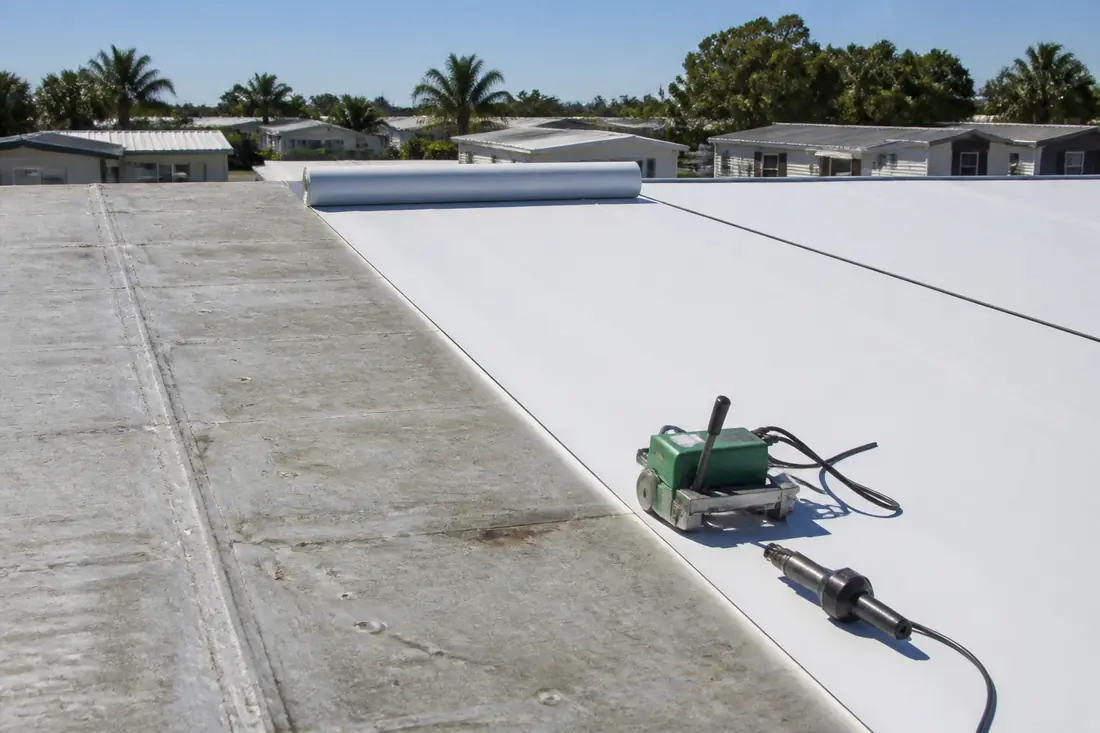
A single-ply sheet laid over the existing roof, for homes where a pitch cannot be built.
Elastomeric and silicone coatings on roofs that are sound but weathering, and the honest limits of them.
Elastomeric and silicone coatings on roofs that are sound but weathering, and the honest limits of them.
Leaks, failed seams, rusted panels and lifted edges repaired on roofs that still have life in them.
Leaks, failed seams, rusted panels and lifted edges repaired on roofs that still have life in them.
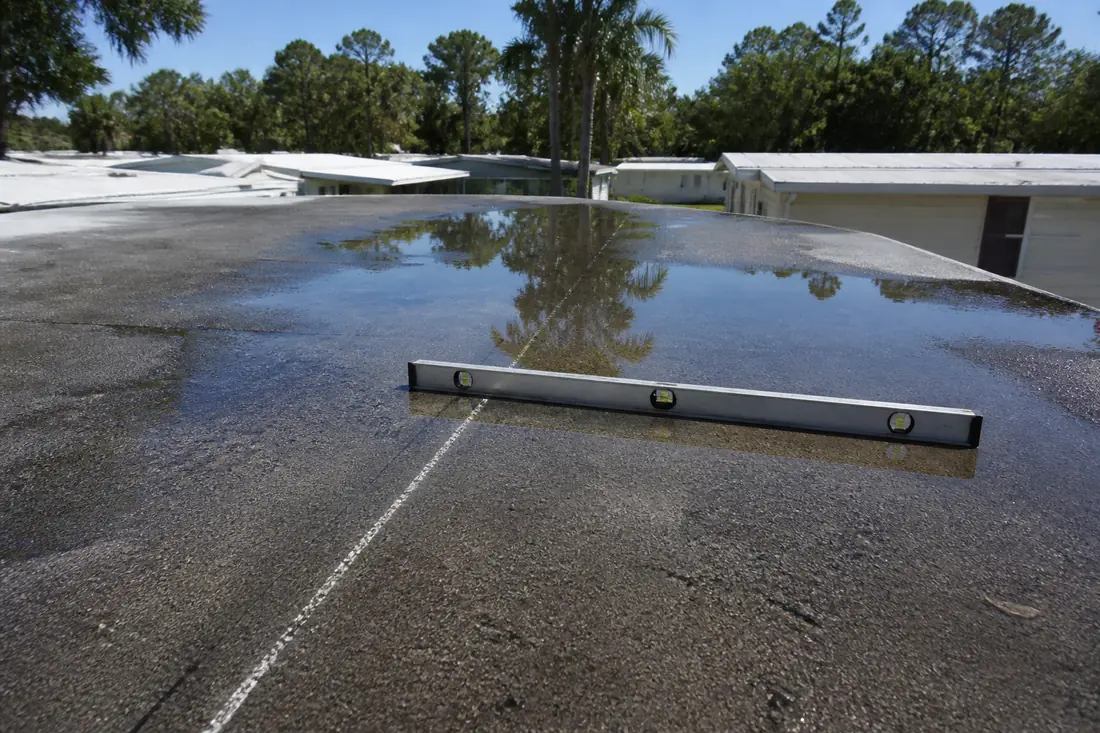
Standing water located and drained, on the low-slope roofs where most of these failures start.
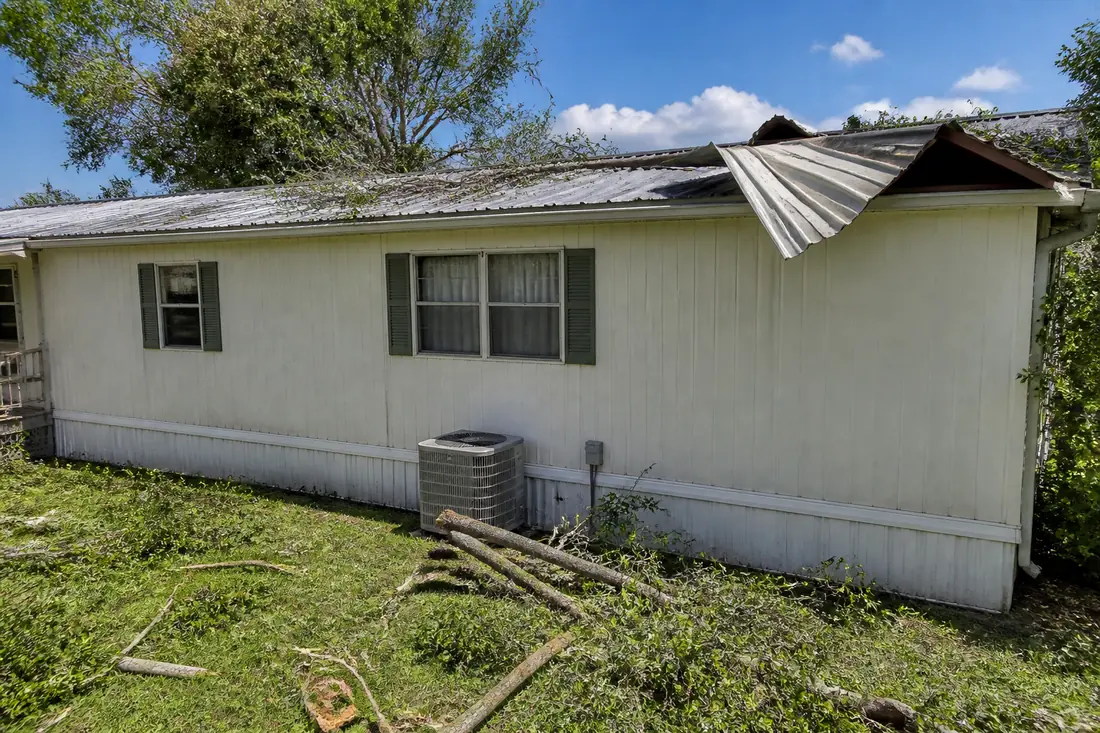
Wind-lifted panels, torn edges and debris damage, documented for a claim and repaired.
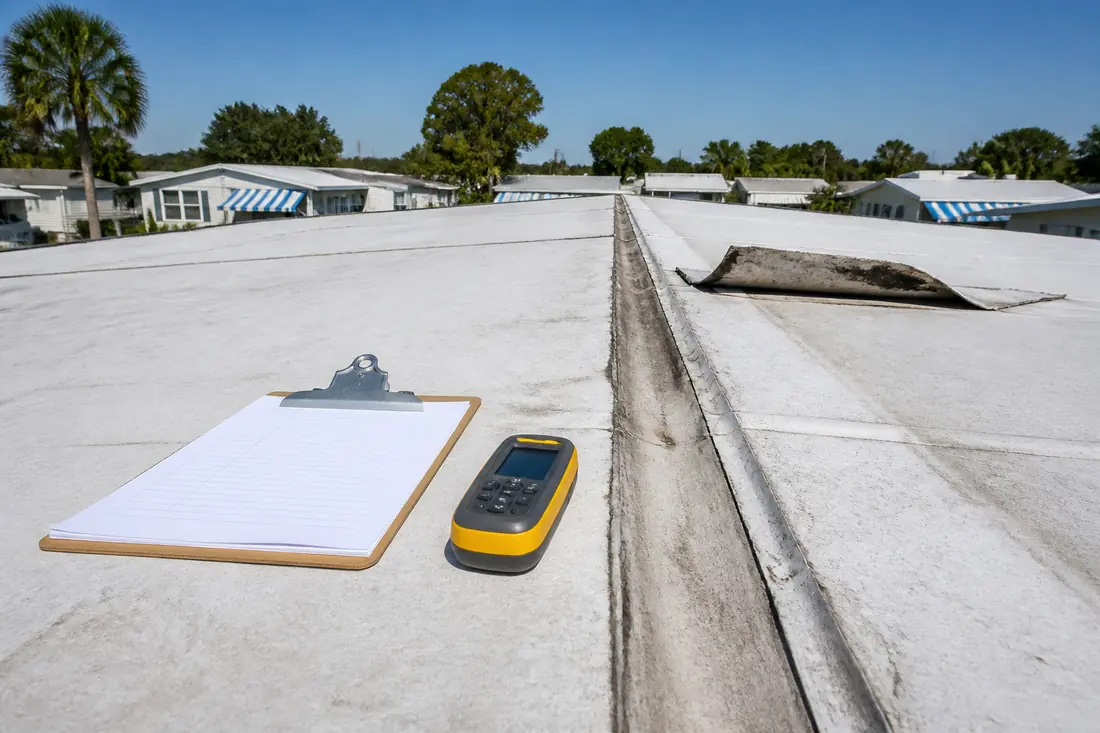
A written condition assessment — for a purchase, an insurer, or a second opinion on a quote.
The attached structures added later, built to a different standard, and usually the first to leak.
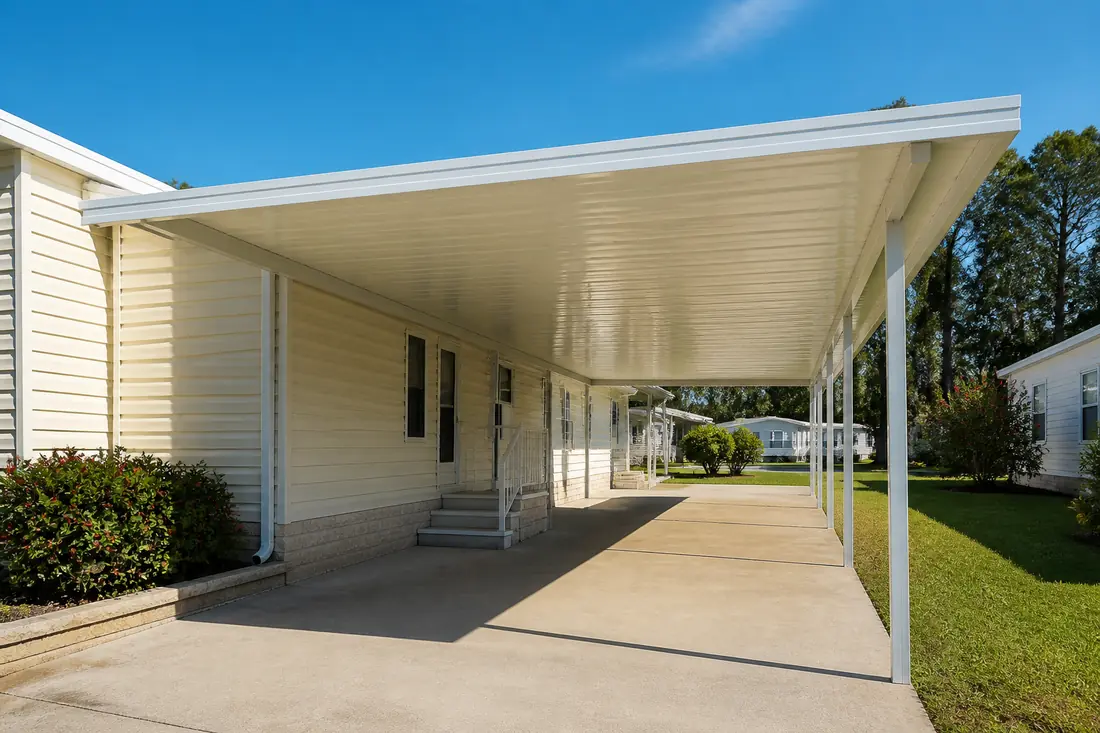
The attached structures added later, built to a different standard, and usually the first to leak.
Roof-over and repair programs across manufactured home communities, parks and rental portfolios.
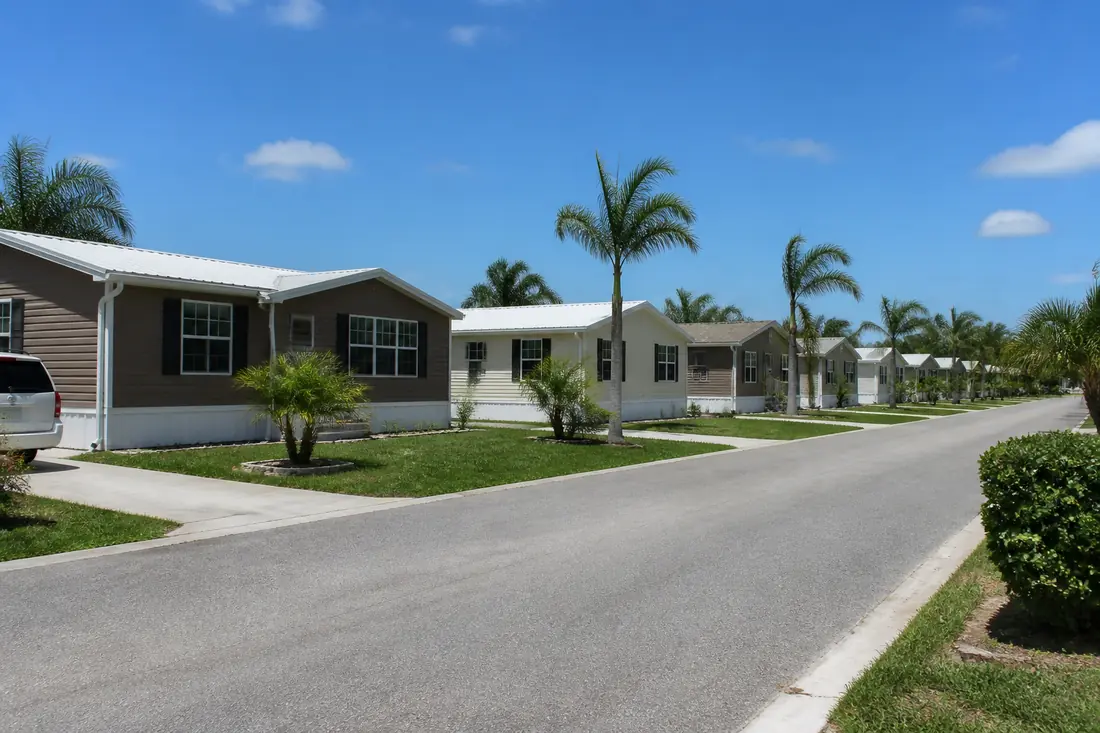
Roof-over and repair programs across manufactured home communities, parks and rental portfolios.
Every service we offer, and what the work actually looks like.
Your request is read and sorted by urgency rather than dropping into a queue. Marking the job urgent on the form changes how quickly it gets looked at.
Work of this kind is assessed in person rather than quoted from a phone description, so the scope and the price are both settled before anything starts.
You see the options and the cost before any work starts, and a cheaper repair that genuinely solves the problem should be presented alongside the bigger one.
Removed material is hauled away and the site left clean. Cleanup belongs in the job rather than being an extra you have to ask for.
If any of this looks like your property, it is worth getting eyes on it before the next wet season.
On a low-slope roof water runs along the underside and down a truss before it reaches a ceiling panel. The stain is often several feet from where it got in, which is why a patch above it usually moves the leak instead of stopping it.
Ponding loads the structure and works at every seam it covers. It is also why coatings and repairs fail in exactly the area they were applied to, so it gets corrected before anything is laid over it.
One or two is a repair. A whole line of them lifting is thermal movement working the roof loose over years, and it means the covering is near the end of its service life rather than damaged.
That junction was usually sealed rather than flashed, and it concentrates water off the main roof. Once the sealant goes, water tracks back along the connection into the home instead of dripping into the carport.
Roof age and condition are among the most common reasons carriers decline or non-renew a manufactured home. Get what they will accept in writing first — a documented roof-over, a stated remaining life, or a full replacement are different jobs.
Almost always applied to a roof that needed more than a coating — over ponding, over a moving seam, or over a surface that was never properly prepared. The product rarely is the problem.
What goes on top decides how long it lasts, what it weighs and whether it solves the water or just covers it. Here is how the systems used on manufactured homes here compare.
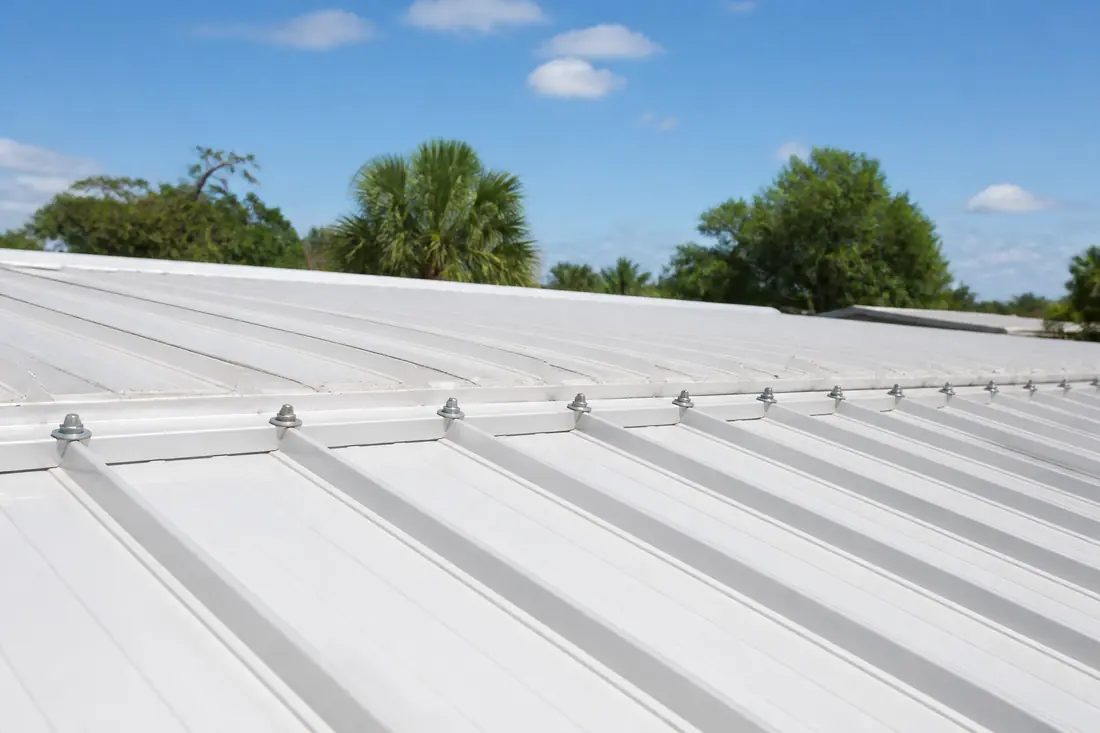
The common roof-over here. Panels laid over hat channel that builds a slope the original roof never had, so water runs instead of standing. Reflective, long-lived, and the least expensive way to solve drainage and covering in one job. The exposed fastener gaskets are a maintenance item.
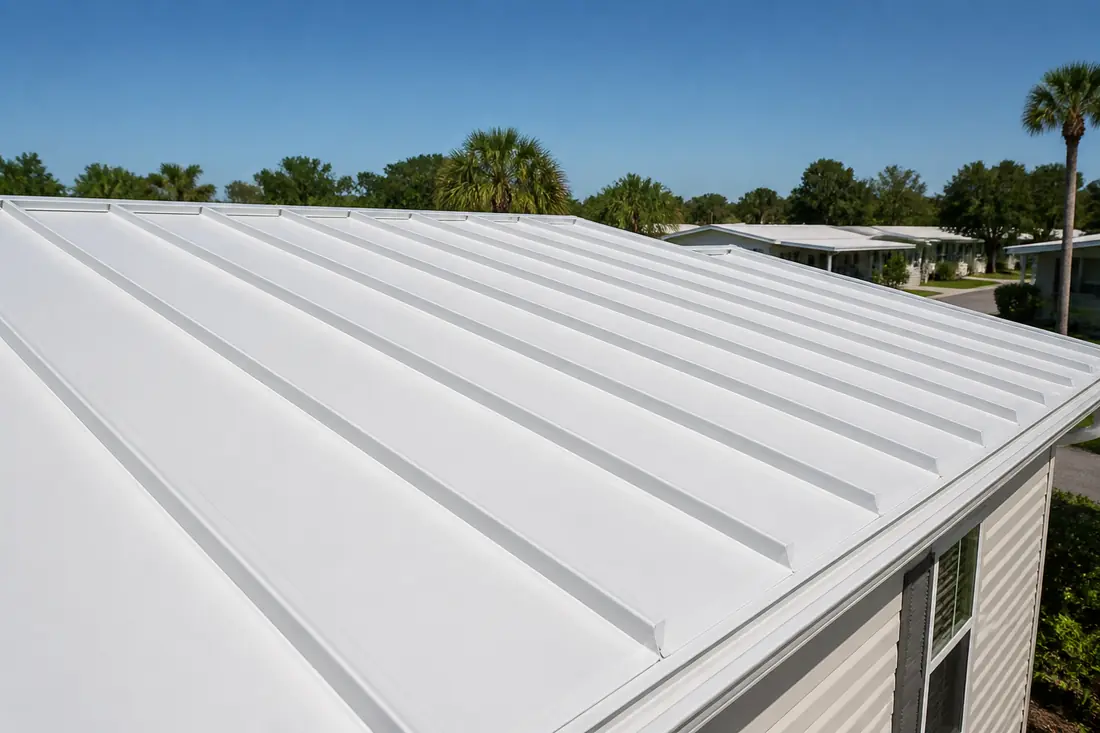
Panels joined by a raised seam with nothing fastened through the water surface. Considerably fewer places to leak and better tolerance of the thermal movement this climate produces, at a higher cost than ribbed panel.
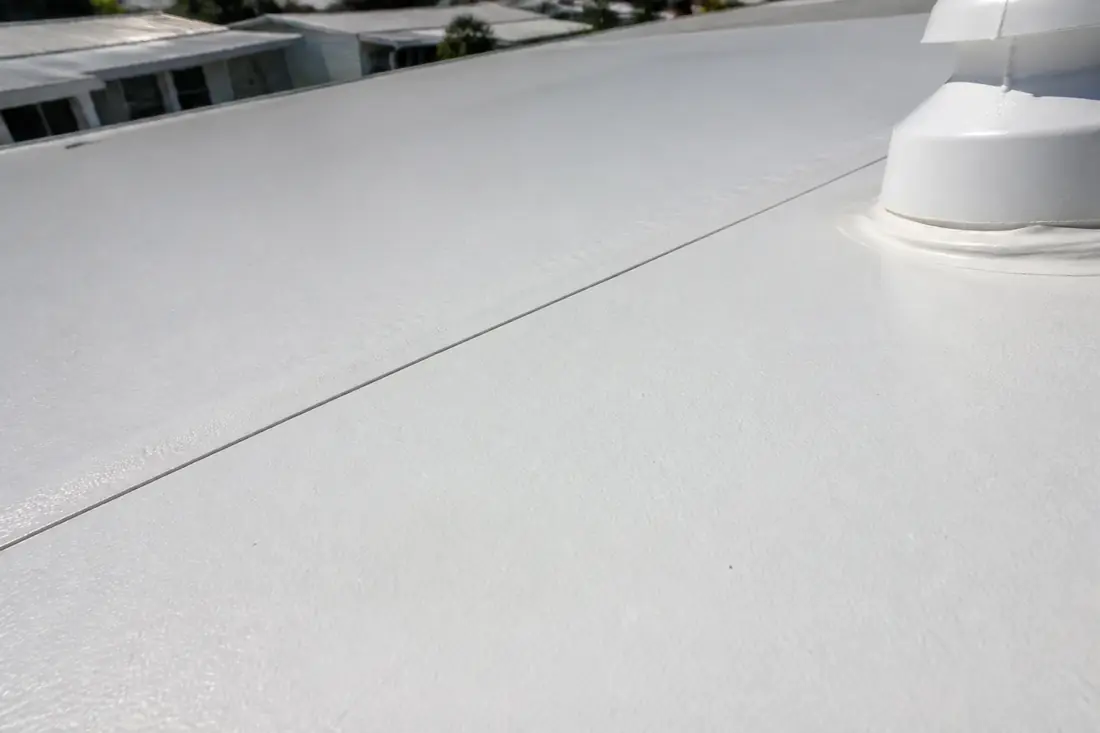
A single-ply sheet laid over the existing roof and hot-air welded at the seams. Light, so it suits homes where weight rules metal out, and nearly seamless. A flat roof stays flat though — it tolerates standing water better than a coating, not better than a slope.
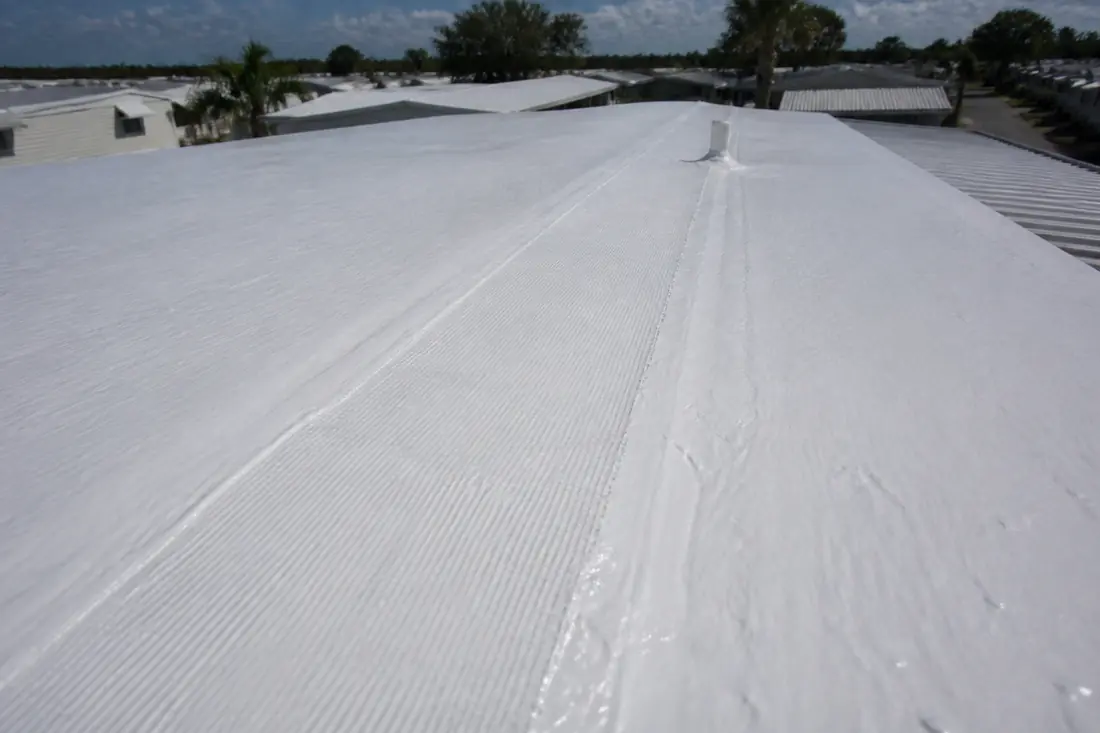
A liquid membrane rolled or sprayed over a roof that is sound but weathering. Seals hairline splits, reflects heat, and is much the cheapest option. It follows the roof it is applied to — it adds no strength and corrects no slope — so over ponding or a moving seam it fails where the roof was already failing.
Federal rules give one year from installation to report a defect in a manufactured home. What starts the clock, why reporting is not the same as requesting, and what a dated record is for.
Read the guide →A plate near the breaker panel states whether a manufactured home was designed to carry an attached carport or awning. What 24 CFR 3280.5 and the add-on rule require.
Read the guide →The federal standard that governs condensation in a manufactured home roof cavity has an exemption for metal roofs with no sheathing — and a roof-over is sheathing.
Read the guide →12 cities and the communities around them. Not sure if you are covered? Call and ask — we will tell you straight.
Kathleen · Highland City · Combee Settlement · Crystal Lake
33801, 33803, 33805, 33809, 33810
Inwood · Eloise · Cypress Gardens · Lake Alfred
33880, 33881, 33884
Lake Juliana · Berkley · Polk City Road
33823
Homeland · Gordonville · Wahneta
33830
Dover · Springhead · Turkey Creek
33563, 33565, 33566
Grenelefe · Lake Hamilton · Davenport line
33844
Loughman · Northeast Polk · US-27 corridor
33837, 33896
Babson Park · Highland Park · Crooked Lake
33853, 33859
Bradley Junction · Nichols · Pierce
33860
Fussell · Mount Olive · Lake Agnes
33868
Highland Park · Wahneta line
33839
Crystal Springs · Silver Oaks · Betmar Acres
33540, 33541, 33542
It varies more than people expect, because two homes of the same length can need very different work. What drives the number is the system chosen, whether a slope has to be built, what the existing roof needs before anything goes over it, and whether attached structures like a carport or Florida room are included. That is why an assessment comes before a price rather than after it.
On most manufactured homes a roof-over is the sensible route — the existing roof stays as a substrate, the interior is never opened up, the home stays lived in, and it costs considerably less than a tear-off. A full replacement becomes the answer where the existing structure is compromised or the frame will not carry the added weight, and that is established by checking rather than assumed either way.
Look at whether the failure is local or general. One lifted seam, a hard vent boot or a single rusted patch on an otherwise sound roof is a repair, and good value. Seams opening along the whole run, fasteners backing out generally, or rust through in more than one place says the covering has reached the end of its life, and repeated repairs will approach the cost of a roof-over without buying the years. Both should be costed so the comparison is in front of you.
It varies by carrier, which is exactly why it is worth getting their requirement in writing before commissioning anything. Some will accept a documented roof-over, some a stated remaining service life, some only a full replacement. Roof age and condition are among the most common reasons manufactured homes are declined or non-renewed, so matching the work to what the carrier will actually accept avoids paying for work that does not satisfy them.
Repairs and dry-in work can generally be done in a weather window, and an active leak is not something to leave until the autumn. Full roof-overs need a longer dry spell, since the existing roof is opened at the edges and penetrations while the new system goes on. Scheduling is planned around that rather than promised against it.
Roof-over work on a manufactured home is generally permitted, and the requirements differ from those for a site-built home because the structure is regulated differently. Which approvals apply depends on the home and the location — inside a community, on private acreage, or in an unincorporated area. Establishing that is part of scoping the work, because a permit condition can change what gets built.
Call (863) 213-6017 or request a callback — whichever is easier.